When homeowners think about insulation, their minds often jump to energy savings alone. However, the benefits of good insulation extend far beyond mere reductions in utility bills. With effective home insulation service, homeowners can enhance not only their financial situation but also their comfort, health, and even environmental footprint.
Why is Home Insulation Important?
Energy Efficiency and Cost Savings
Good insulation is a powerful ally in the fight against rising energy costs. In the average American home, 50 to 70% of all energy consumption is dedicated to heating and cooling according to Energy Star. Adequate insulation acts as a barrier against energy waste by maintaining a stable indoor climate, reducing the need for excess energy to heat or cool the home. This translates into significant cost savings on utility bills, making insulation an investment that pays for itself over time.
In addition to lowering energy costs, effective insulation reduces a home's carbon footprint, contributing to broader environmental goals. By lessening the demand on heating and cooling systems, insulation decreases the overall amount of energy that needs to be generated, much of which comes from non-renewable resources. This makes improved insulation both a financially and environmentally sustainable choice.
Environmental Impact and Sustainability
Insulation plays a crucial role in enhancing a home's energy efficiency, which has direct implications for the environment. With quality insulation services, homeowners can significantly cut down their carbon emissions, aligning their living spaces with sustainable practices. This is because a well-insulated home requires less energy to heat and cool, reducing reliance on fossil fuels and decreasing greenhouse gas emissions.
Furthermore, most modern insulation materials are designed with sustainability in mind. Many manufacturers incorporate recycled materials into their products, and eco-friendlier options, like cellulose insulation, offer alternatives that contribute to a healthier planet. By choosing sustainable insulation solutions, homeowners do their part in preserving the environment for future generations.
Enhanced Comfort Levels
A home that is properly insulated offers a consistently comfortable living environment. During the sweltering heat of summer or icy chill of winter, good insulation creates a thermal envelope that helps maintain desirable conditions indoors. This means fewer cold drafts in the winter and less oppressive indoor heat during summer months, leading to a living space where temperature control is much less burdensome.
Beyond temperature regulation, good insulation also aids in noise reduction. Insulation provides an effective sound barrier, keeping out external noise and offering a quieter, more serene atmosphere within the home. Whether it’s the clatter of street traffic or the hum of neighborhood activities, well-insulated walls, floors, and ceilings help muffle unwelcome sound, contributing to enhanced indoor comfort.
Long-term Property Value
Investing in high-quality insulation can increase a home's market value. Buyers often look for homes with low operating costs and strong eco-friendly credentials. As energy efficiency continues to become a high priority for prospective homeowners, a well-insulated home stands out as an attractive option, offering both savings and sustainability. A home with upgraded insulation can demand a higher selling price and appeal to a wider pool of potential buyers.
Additionally, insulation is a key component of a home’s structural integrity. Proper insulation protects not only against thermal extremes but also against moisture intrusion, which can lead to significant property damage over time. By maintaining the home’s condition, homeowners preserve their investment and ensure that the property’s value does not diminish due to preventable degradation.
What are the Different Types of Insulation?
Fiberglass Insulation
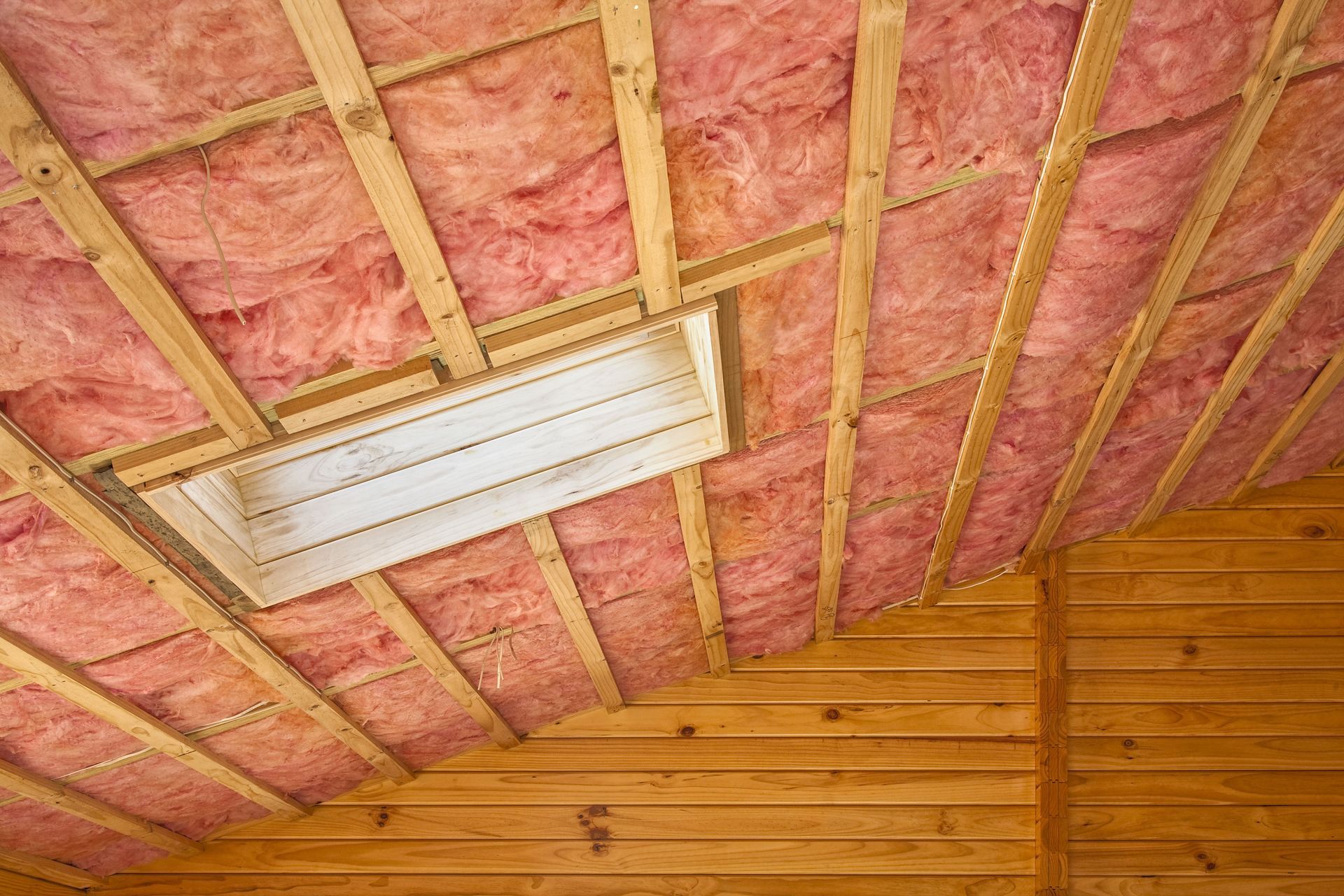
Fiberglass insulation is one of the most commonly used types of insulation in homes today. Known for its cost-effectiveness and ease of installation, fiberglass is typically available in batts, rolls, or loose-fill forms. It works by trapping air pockets, slowing the transfer of heat, and enhancing the thermal efficiency of your home. Because it is non-flammable and designed to resist mold, fiberglass insulation is a reliable choice for many residential applications.
Despite its numerous benefits, fiberglass insulation must be properly installed to be fully effective. Any gaps or compression can reduce its insulating capacity. Homeowners engaging in home insulation service should ensure professional installation to maximize the material’s energy-saving potential and avoid common pitfalls like uneven coverage or inadequate thickness.
Spray Foam Insulation
Spray foam insulation offers a unique ability to provide both thermal insulation and air sealing. Applied as a liquid, it expands to fill whatever cavity it is sprayed into, creating a tight seal that bars air leaks and provides superior insulation. There are two main types of spray foam: open-cell and closed-cell, each suited to different needs and budgets. Closed-cell spray foam provides a higher R-value and moisture barrier, whereas open-cell is more affordable and effective for soundproofing.
The benefits of spray foam extend to hard-to-reach spaces, such as attics or crawl spaces, where it provides uniform coverage without the need for extensive, costly renovations. Although the initial cost can be higher than other types of insulation, spray foam's long-term energy savings and durability make it an appealing choice for many homeowners seeking a comprehensive home insulation service.
Cellulose Insulation
Made predominantly from recycled paper products, cellulose insulation is both an effective and environmentally friendly insulation option. Treated with fire retardants like borate, it delivers excellent resistance to mold, pests, and fire. Cellulose insulation is typically used in loose-fill applications, where it is blown into attics or walls to improve R-values and overall energy efficiency.
This type of insulation offers the versatility of installing into existing buildings without the need for major tear-outs. It can help seal off air leaks and provides a significant upgrade over old, settled insulation materials. When considering an eco-friendly home insulation service, cellulose stands out for its recyclability and contribution to reducing waste.
Reflective or Radiant Barrier Insulation
Reflective or radiant barrier insulation works differently than traditional insulation, as it primarily reflects heat away, rather than just slowing its transfer. This is particularly useful in hot climates, where keeping the heat out is a priority. Reflective insulation is often installed in attics, where it can dramatically reduce heat gains when the sun is at its most intense.
Although it does not offer much in terms of insulation against cold, the benefits of reduced heat transfer in warmer areas can lead to improved energy efficiency and lower cooling costs. For homeowners in sunny regions looking for a home insulation service, reflective insulation is an excellent choice for minimizing heat-related energy usage.
How Does Insulation Improve Indoor Air Quality?
Reducing External Pollutants
Insulation not only controls temperature but also plays a pivotal role in indoor air quality. By creating a tighter building envelope, insulation reduces the entry of external pollutants such as dust, pollen, and outdoor air contaminants. This helps maintain a cleaner indoor environment, free from some of the particulates that can affect respiratory health.
Well-sealed homes benefit from insulation that minimizes airflow from the outside, helping keep indoor spaces safer and more comfortable. This is especially crucial for those with allergies, asthma, or other respiratory conditions where air quality is a significant concern. Proper home insulation service can make all the difference in creating a healthy indoor atmosphere.
Moisture Control
Insulation is a key line of defense against moisture buildup in the home, which can lead to mold growth and structural damage. Certain types of insulation, such as spray foam, provide a moisture barrier, preventing dampness that can foster unhealthy conditions. Moisture-resistant insulation is particularly important in areas prone to high humidity or frequent rainfall.
By reducing moisture ingress, homeowners not only protect their health but also the integrity of their living spaces. Persistent moisture can lead to costly repairs, making moisture-resistant insulation a savvy choice. Professional insulation service ensures that these barriers are effectively installed, ensuring long-lasting protection.
Investing in quality home insulation services can provide immediate financial benefits through energy cost savings while offering a myriad of long-term advantages. From enhanced comfort to improved property value and environmental benefits, good insulation is a multi-faceted solution that serves the needs of every homeowner. It's more than just an addition to your home; it's an investment in your family's comfort, health, and future sustainability. Reach out to SKY Insulation LLC today to see how we can help you!