Creating a comfortable environment within your living space requires careful attention to the barrier between your interior rooms and the exterior elements. The key to maintaining a consistent temperature, regardless of the weather outside, lies in selecting the appropriate materials for your walls, attic, and basement. Many property owners overlook the importance of this protective thermal layer until they notice drafts or uneven temperatures throughout their living areas. Upgrading or installing new home insulation is a proactive measure that enhances indoor comfort while reducing the energy required to heat and cool the property. Deciding which material is best suited for your specific needs can feel overwhelming due to the variety of options available on the market. Every structure is unique, and the ideal choice depends on various factors including the climate, the specific area being addressed, and the architectural design of the building. Furthermore, the longevity of these materials varies significantly based on environmental factors and installation methods. According to HomeGuide, insulation lasts 20 to 100 years, depending on the type and site conditions. Understanding the distinct characteristics of each material will empower you to make an informed decision that ensures long-term comfort and efficiency for your property.
Choosing Traditional Fiberglass Rolls
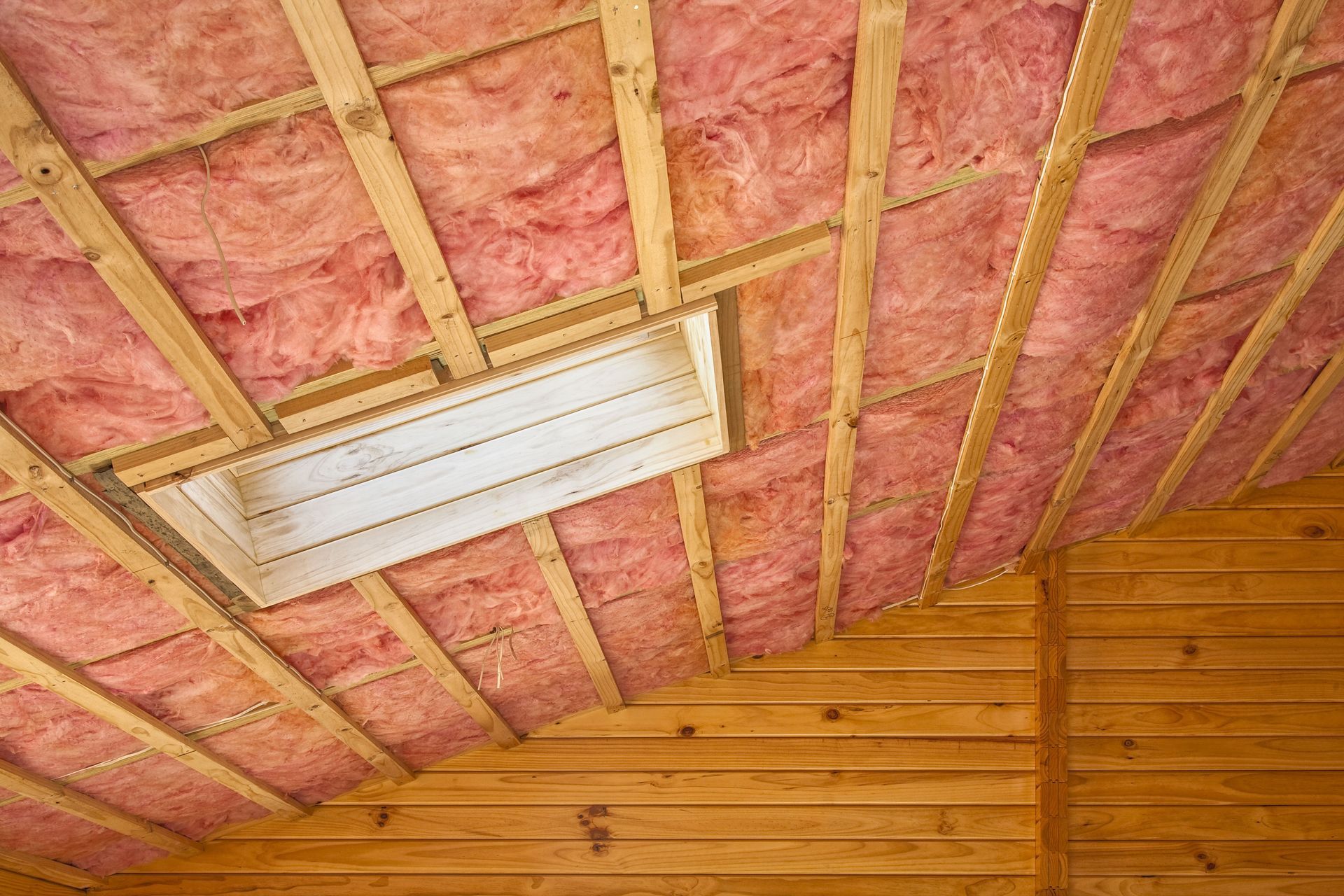
When evaluating different options for maintaining a comfortable indoor climate, fiberglass remains among the most widely recognized and utilized materials available. This material consists of extremely fine glass fibers woven together to create a dense, fluffy layer that effectively traps pockets of air. By slowing down the transfer of heat, this type of home insulation helps keep the interior warm during colder months and pleasantly cool when the weather turns hot. Property owners frequently select this option for unfinished walls, floors, and ceilings because it is readily available in pre-cut batts or long rolls that fit neatly between standard framing studs and joists. The installation process is relatively straightforward, making it a popular choice for accessible spaces like open attics and newly constructed room additions. It is crucial to ensure that the material fits snugly without being compressed, as squeezing the fibers together reduces the air pockets that provide thermal resistance. When appropriately installed, fiberglass serves as a highly dependable barrier against thermal transfer. Homeowners looking to improve their home insulation often start by examining their attics and exterior walls to determine if additional fiberglass batts are necessary to achieve an optimal indoor environment. The versatility and widespread availability of fiberglass make it a foundational element in modern residential construction and remodeling projects.
Applying Expanding Spray Foam
For areas that are difficult to reach or feature irregular shapes, spray foam offers a highly effective and adaptable solution. This specialized material is applied as a liquid that rapidly expands to fill every crack, crevice, and gap within a wall cavity or roof deck. As it expands and hardens, it creates an airtight seal that not only prevents thermal transfer but also blocks unwanted air drafts and moisture intrusion. This dual-action capability makes spray foam an exceptional choice for sealing drafty attics, basement rim joists, and around poorly fitted windows or doors. There are multiple formulations available, each offering distinct benefits for different applications. The lighter, more flexible version is excellent for standard interior walls, while the denser, more rigid version provides superior structural reinforcement and moisture resistance, making it ideal for exterior applications or areas prone to dampness. Opting for this advanced type of home insulation ensures a comprehensive thermal barrier that conforms perfectly to the unique contours of your living space. Because the application process requires specialized equipment and protective gear, it is generally performed by experienced professionals who can guarantee an even and complete coverage throughout the targeted areas.
Blowing Loose Fill Cellulose
Another excellent option for upgrading the thermal boundary of a building is cellulose, a material primarily composed of recycled paper products that have been specially treated to resist fire, pests, and mold growth. This environmentally conscious alternative is manufactured into small, loose particles that are blown into wall cavities or spread evenly across attic floors using specialized pneumatic equipment. The nature of this loose-fill material allows it to settle densely around obstructions such as plumbing pipes, electrical wiring, and irregular framing structures. This settling process creates a seamless and highly effective barrier against heat loss and air infiltration. Many property owners choose this specific type of home insulation when they need to add thermal protection to existing finished walls without undertaking major demolition or renovation work. The material can be strategically blown through small, easily patched holes, preserving the integrity of the interior finishes. Additionally, the dense composition of cellulose provides excellent sound-dampening properties, significantly reducing the transmission of noise between rooms or from the outside environment. This makes it a favored choice for creating quiet, peaceful living spaces while simultaneously improving the overall energy performance of the structure.
Installing Rigid Foam Boards
When a project requires significant thermal resistance in a relatively thin profile, rigid foam boards provide an outstanding structural and insulating solution. These durable panels are manufactured from dense synthetic materials that offer exceptional moisture resistance and thermal stability. Unlike fibrous materials that can compress or settle over time, these solid boards maintain their shape and effectiveness indefinitely. They are frequently utilized in areas where moisture is a constant concern, such as unfinished basement walls, crawl spaces, and exterior foundation perimeters. Furthermore, they serve as an excellent continuous thermal barrier when installed on the exterior of a building underneath the siding, effectively interrupting the thermal bridging that occurs through standard wooden framing members. Integrating this robust form of home insulation into a construction or renovation project adds a critical layer of protection against extreme weather conditions. The boards can be easily cut to size and secured directly to masonry, wood framing, or concrete surfaces, providing a versatile solution for a wide range of challenging applications. Their inherent structural strength and moisture-blocking capabilities make them an invaluable component in creating a highly resilient and comfortable living environment.
Adding Reflective Radiant Barriers
In regions that experience intense sunlight and prolonged periods of hot weather, managing the absorption of radiant heat is a critical component of maintaining a comfortable indoor climate. Reflective barriers are specifically designed to address this challenge by utilizing highly reflective surfaces, typically composed of aluminum foil bonded to a durable backing material. Instead of slowing down the conductive transfer of heat like traditional fibrous or foam materials, these barriers work by physically reflecting radiant heat away from the living space. They are most commonly installed directly beneath the roof decking in an attic, where they intercept the intense solar radiation before it has the opportunity to penetrate the interior rooms below. By significantly reducing the amount of heat that enters the attic, this unique approach to home insulation helps keep the entire building cooler and reduces the strain on cooling systems during the peak summer months. While they do not provide significant resistance to conductive heat loss during colder weather, they are often used in conjunction with other thermal barriers to create a comprehensive and highly efficient protective envelope tailored to specific regional climates.
Maintaining a comfortable, draft-free, and energy-efficient living environment requires a thoughtful approach to the thermal boundaries of your property. By carefully evaluating the distinct characteristics of fiberglass, spray foam, cellulose, rigid boards, and reflective barriers, you can select the most appropriate materials for every specific area of your building. A well-planned and properly executed strategy will ensure that your interior spaces remain pleasant and consistent, regardless of the extreme weather conditions outside. If you are ready to evaluate your current thermal barriers or explore the best options for an upcoming renovation project, professional guidance can help you navigate the various materials and installation methods available. Call SKY Insulation LLC today to learn more about how we can help you create a more comfortable and resilient living environment.